

A freshly made kebab is hard to beat. Warm bread, juicy meat, crunchy salad and your favourite sauce create the perfect combination. However, when you order takeaway, the journey from the kebab shop to your home can affect the quality of your meal. The bread may become soggy, the chips can lose their crispness, and the meat might cool down before you take your first bite.
Knowing how to keep kebab fresh takeaway meals means understanding how to pack, transport and reheat your food correctly. Whether you are picking up dinner after work, bringing kebabs home for the family or ordering a late-night snack, a few simple techniques can help preserve the flavour and texture of your meal.
Here are practical kebab takeaway tips to help you enjoy your next kebab as close to freshly prepared as possible.
1. Choose Between a Kebab Wrap and a Kebab Plate
One of the easiest ways to improve your takeaway experience is to choose the right meal format for your journey.
When Is a Kebab Wrap the Better Choice?
A kebab wrap is convenient when you want something easy to carry and eat. It combines meat, salad, sauces and bread in one portable meal.
However, the ingredients inside a wrap release moisture while the food sits in its packaging. Hot meat produces steam, while sauces and fresh vegetables can soften the bread over time.
If you are travelling only a short distance, a wrap can still be a great option. For longer journeys, ask for sauces on the side and avoid leaving the wrapped kebab in a tightly sealed bag for too long.
Why a Kebab Plate Can Travel Better
A kebab plate separates the meat, salad and other sides, reducing direct contact between moist ingredients and bread.
This makes a plate a practical choice if you are taking food home, sharing a meal with family or travelling for longer than usual. You can also reheat the meat and sides separately instead of warming the entire meal together.
If you are unsure what to order, consider how long your food will be in transit before deciding between a wrap and a plate.
2. Ask for Sauce on the Side
Sauce adds flavour and moisture to a kebab, but too much sauce inside a takeaway wrap can quickly soften the bread.
Garlic sauce, chilli sauce and other dressings can soak into the wrap while the meal sits in its packaging. Combined with steam from the meat, this can leave the bread damp and difficult to handle.
One of the simplest kebab takeaway tips is to request your sauce separately.
Here is why it helps:
Keeps the bread firmer: Less sauce means less moisture soaking into the wrap.
Preserves the texture: The bread is less likely to become soggy during transport.
Gives you control: Add as much sauce as you like just before eating.
Makes reheating easier: You can warm the meat and bread without heating the sauce.
If you prefer your kebab with plenty of sauce, keep the extra portion in a separate container and add it after reheating.
3. Keep Your Takeaway Packaging Ventilated
Packaging plays an important role in keeping takeaway food enjoyable. When hot food is sealed in a container, steam can become trapped inside. As the steam cools, moisture collects on the packaging and can transfer back to the bread, chips and other ingredients.
To reduce this problem, avoid leaving your takeaway bag tightly sealed for an extended period.
When you arrive home, open the bag and allow excess steam to escape. If the food is still hot, keep it in suitable food-safe packaging while allowing some ventilation where practical.
However, do not leave takeaway food uncovered at room temperature for long periods. Food safety matters just as much as texture.
If you are not eating immediately, refrigerate perishable food within two hours, or within one hour when the ambient temperature is above 32°C. Keep the refrigerator at 5°C or below.
4. Transport Your Kebab the Right Way
Even a well-prepared kebab can lose its texture if it is transported poorly. A few simple changes can make a difference, especially when collecting dinner during Melbourne's busy evening traffic.
Follow these steps to improve your takeaway journey:
Keep the food level: Place your takeaway container on a flat surface rather than holding it at an angle.
Separate hot and cold items: Keep salad and cold sauces separate from hot meat where possible.
Avoid unnecessary delays: Collect your food when you are ready to head home.
Do not crush the packaging: Heavy bags or other items can flatten the bread and push ingredients together.
Eat promptly: Your kebab will generally have its best texture soon after preparation.
If you are picking up food for several people, separate containers can help keep individual meals organised and reduce unnecessary handling.
5. How to Reheat a Kebab Without Making It Soggy
Wondering how to reheat a kebab without drying out the meat or turning the bread chewy? The secret is to reheat the different ingredients separately whenever possible.
Reheating Kebab Meat in a Pan
A frying pan is a useful option for reheating sliced kebab meat.
Remove the salad, cold sauces and bread.
Place the meat in a pan over medium heat.
Add a small splash of water if the meat appears dry.
Stir occasionally until the meat is steaming hot throughout.
Serve immediately with freshly prepared or separately stored sides.
Avoid prolonged heating, as this can dry out the meat.
Reheating a Kebab in the Oven
An oven works well when you want to warm a larger portion of meat.
Preheat the oven to approximately 160–180°C. Place the meat in an oven-safe dish and cover it loosely to help retain moisture. Heat until steaming hot throughout, checking regularly to avoid overcooking.
For refrigerated leftovers, the centre should reach 75°C when checked with a food thermometer. Reheat only the portion you intend to eat.
Can You Reheat a Kebab in an Air Fryer?
Yes, an air fryer can help restore some crispness to suitable kebab ingredients.
Place the meat in a single layer and heat at around 160°C, checking frequently and adjusting the time to suit the portion size and appliance. Make sure the meat is steaming hot throughout.
If you are reheating chips, use the air fryer separately to help restore their crisp exterior.
Important: Remove salad and cold sauces before reheating. Do not heat food in packaging unless it is specifically designed for that purpose.
6. Reheat the Bread Separately
Bread can become tough or soggy when reheated with moist meat and sauces. For better results, warm the bread separately after reheating the filling.
A dry frying pan over low to medium heat can warm flatbread quickly. Turn it briefly on each side and avoid overheating, which can make it brittle.
Alternatively, wrap the bread loosely in foil and warm it in the oven for a short period.
Once the bread is warm, add the reheated meat, fresh salad and sauce just before serving. This simple approach helps bring the different textures back together without making the wrap unnecessarily wet.
7. Follow Basic Food Safety Rules
Keeping a kebab hot is not just about taste. Safe handling is essential when transporting and storing cooked meat.
Remember these guidelines:
Refrigerate leftovers within two hours, or within one hour in temperatures above 32°C.
Store refrigerated leftovers at 5°C or below.
Keep raw foods separate from cooked food.
Reheat leftovers until steaming hot throughout, ideally reaching 75°C at the centre.
Eat refrigerated leftovers within two to three days as a general guide, unless the food business or relevant food-safety guidance specifies a shorter period.
Do not rely on smell or appearance alone to determine whether food is safe to eat.
8. Where to Find a Great Kebab Takeaway in Melbourne
Good takeaway habits can help preserve your meal, but the experience starts with choosing a kebab shop that prepares food to order.
When searching for the best kebab takeaway in Melbourne, consider the quality of the meat, freshness of the ingredients, menu variety, portion sizes and convenience of collection.
Think about your journey home, too. A freshly prepared kebab collected just before you are ready to eat is often a better choice than food that sits in a bag for an extended period.
If you are exploring local options, read our guide to kebab takeaway in Melbourne for more information on finding a convenient takeaway option for your next meal.
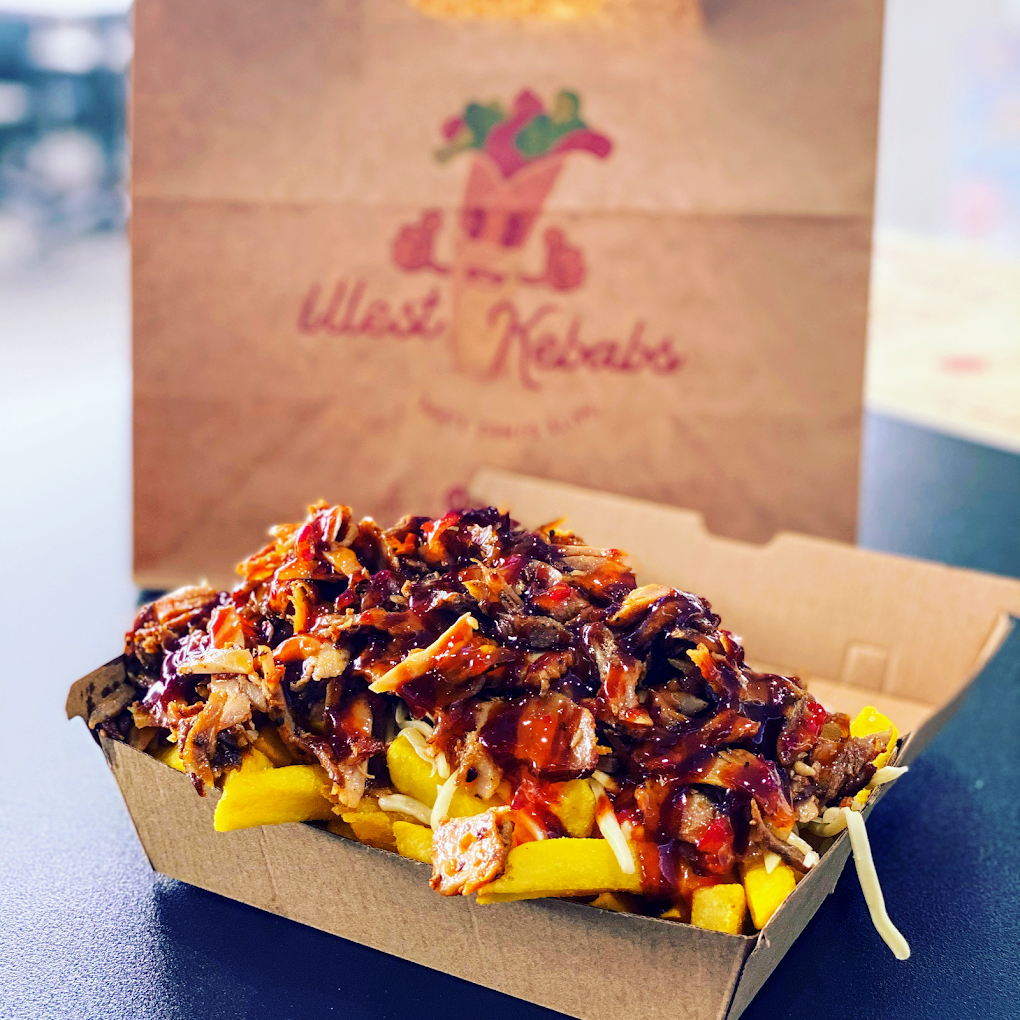
Whether you prefer a classic doner kebab, a hearty HSP or a filling kebab plate, choosing the right meal and handling it properly can make your takeaway experience even better.
Conclusion
Knowing how to keep kebab fresh takeaway meals is all about managing moisture, temperature and travel time. Choose a plate for longer journeys, request sauces on the side, avoid trapping excess steam and reheat the meat separately when needed.
Most importantly, enjoy your kebab while it is fresh and handle leftovers safely. With these simple tips, you can make your next takeaway meal more enjoyable without sacrificing the textures and flavours you love.
Ready for your next kebab? Explore your local options, choose your favourite combination and use these tips to make the journey from the shop to your table a better one.
