

A good doner kebab is more than meat served inside warm bread. From the preparation of the meat to the slow cooking process and final slicing, every step plays an important role in creating the flavour, texture and aroma people love.
But how is kebab made? Why is doner meat cooked on a vertical spit, and what makes freshly shaved meat taste so good?
This guide takes you through the process of making doner kebab, from preparing and seasoning the meat to stacking it on the spit, cooking it and serving it fresh.
What Is a Doner Kebab?
Doner kebab is made by cooking seasoned meat on a vertical rotating spit. The meat is stacked around a large skewer and slowly cooked as the spit rotates in front of a heat source.
As the outside layer cooks, it develops a browned, flavourful surface. Thin slices are then shaved from the cooked exterior while the remaining meat continues cooking.
Depending on the kebab shop, doner can be made using different types of meat, including:
Lamb
Chicken
Beef
Mixed meats
The exact recipe and preparation method can vary between businesses, but the basic cooking principle remains the same.
Step 1: Choosing the Meat
The first stage of making quality doner food is selecting the right meat.
Lamb and chicken are two popular choices for doner kebabs. The meat needs to be suitable for seasoning, layering and slow cooking.
Different cuts can provide different textures and levels of richness. Some preparations use carefully layered pieces of meat, while others use a seasoned meat mixture formed into a large cone.
The choice of meat affects the final flavour, tenderness and texture of the kebab.
Step 2: Preparing the Meat
Before the meat reaches the spit, it needs to be prepared.
Depending on the style of doner, this may involve trimming, slicing, marinating or seasoning the meat.
Seasonings can include ingredients such as:
Salt
Pepper
Garlic
Paprika
Herbs
Spices
Some recipes also use yoghurt, oil or other ingredients as part of the marinade.
The goal is to add flavour throughout the meat while helping create the distinctive savoury taste associated with doner.
Step 3: Marinating and Seasoning
Seasoning is an important part of the doner kebab process.
A good marinade helps develop flavour while the meat cooks. Chicken, lamb and other meats can have different seasoning combinations depending on the recipe.
The meat is allowed to absorb the seasoning before being stacked.
This preparation stage helps ensure that the flavour isn't only concentrated on the outside of the meat.
Step 4: Stacking the Meat
Once the meat has been prepared, it is carefully stacked onto a large vertical skewer.
This is one of the most recognisable parts of the doner-making process.
The meat is built into a tall, compact shape around the central spit. Depending on the preparation, layers of sliced meat may be stacked together, or a seasoned meat mixture may be formed around the skewer.
The finished cone needs to be stable so it can rotate evenly while cooking.
Step 5: Putting the Doner on the Spit
The prepared meat is positioned vertically in front of the cooking element.
Unlike a traditional horizontal barbecue, the doner spit rotates vertically.
This allows the meat to cook gradually as different sections move closer to the heat.
The rotating spit is an important part of the process because it helps create an evenly cooked outer layer while keeping the inside cooking gradually.
Step 6: Slow Cooking Against the Heat
As the spit rotates, the outer surface of the doner is exposed to heat.
The outside gradually browns and develops a rich, roasted flavour.
This is where the distinctive appearance of doner meat starts to develop.
The cooking process also creates an important contrast in texture. The outside becomes nicely browned while the interior remains softer as it continues cooking.
The temperature and cooking time need to be carefully controlled to ensure the meat is properly cooked.
Step 7: Shaving the Cooked Meat
One of the most important steps is slicing the cooked exterior.
Once the outer layer is ready, the cooked meat is shaved into thin pieces using a long kebab knife or specialised slicing equipment.
These thin slices fall away from the spit and are collected for serving.
This process continues throughout service.
As the cooked outer layer is removed, a new layer underneath becomes exposed to the heat. That layer cooks until it is ready to slice.
This creates a continuous cycle of cooking and shaving.
Why Is Doner Meat Cooked on a Vertical Spit?
The vertical spit isn't just part of the traditional appearance of a kebab shop. It serves an important cooking purpose.
Rotating the meat allows the outer surface to receive consistent heat while the meat gradually cooks.
The method also allows the cooked exterior to be sliced fresh throughout the day.
Instead of cooking the entire piece of meat and slicing it later, the meat is cooked and shaved progressively.
This helps create the freshly sliced texture people associate with doner food.
Why Freshly Sliced Doner Tastes Different
Freshly shaved doner has a combination of textures that makes it particularly enjoyable.
The freshly cooked exterior provides a roasted, seasoned flavour, while the thinner slices are easy to combine with bread, salad and sauces.
When served immediately, the meat is also warm and aromatic.
That's why the timing between cooking, slicing and serving matters.
A freshly sliced piece of doner can go directly from the spit into a kebab wrap, Turkish bread, HSP or plate.
What Happens After the Meat Is Sliced?
Once the doner meat has been shaved, there are several ways it can be served.
Doner Wrap
The meat is placed inside warm pita or flatbread with fresh salad and sauces.
Popular additions include lettuce, tomato, onion, cabbage, garlic sauce, BBQ sauce and chilli sauce.
HSP
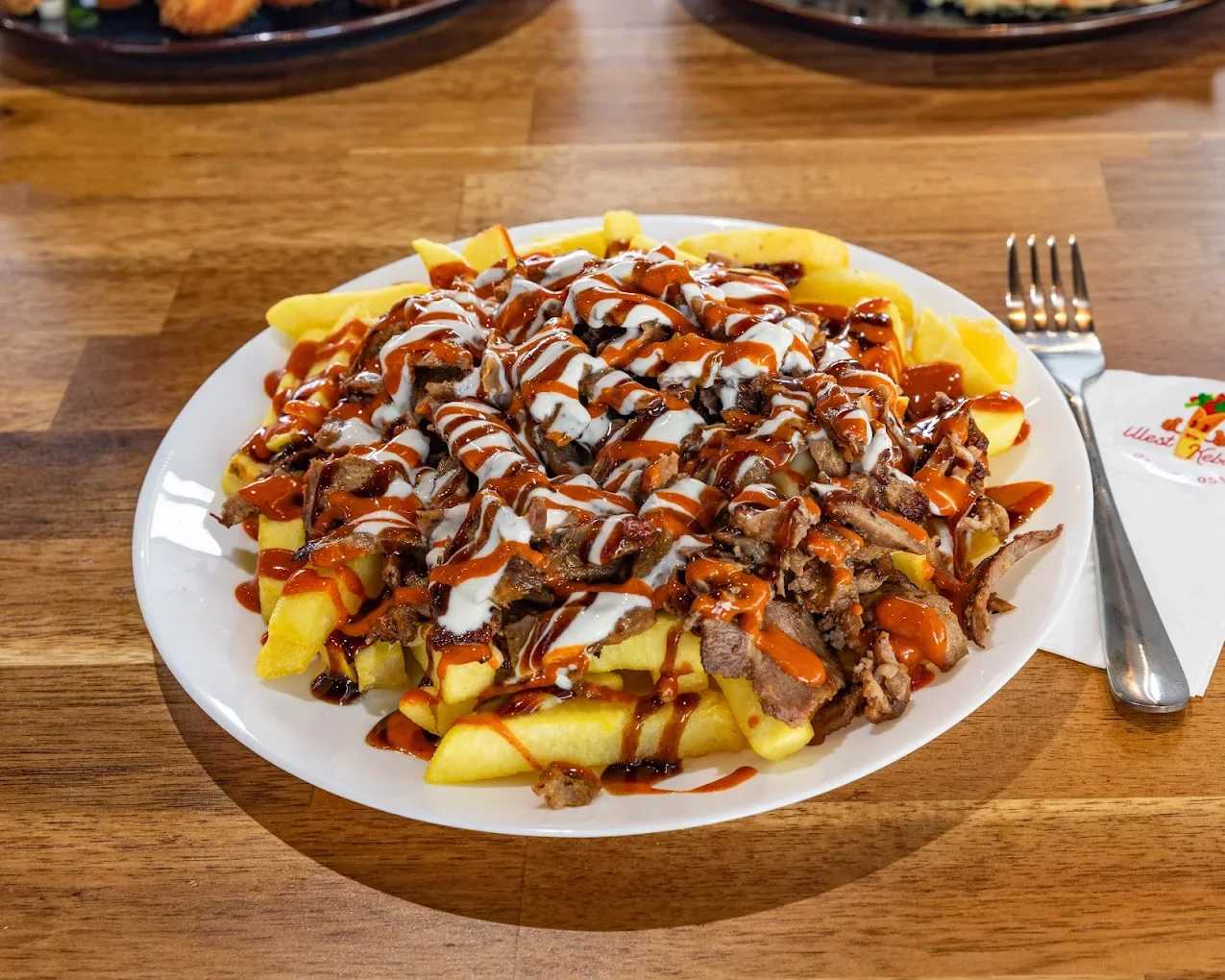
For a Halal Snack Pack, freshly sliced doner is served over crispy chips with cheese and sauces.
This creates a more substantial takeaway meal.
Doner Plate
Doner can also be served on a plate with salad and sides such as chips, rice or bread.
This option allows the meat to be the main focus of the meal.
How Is Kebab Made Different at Each Shop?
While the basic process is similar, not every kebab shop prepares doner in exactly the same way.
Differences can include:
Meat selection
Seasoning
Marinade
Meat-to-fat ratio
Stacking technique
Cooking temperature
Slicing thickness
Sauce combinations
Bread and salad choices
These differences are part of what makes trying different kebab shops interesting.
Even when two shops serve the same type of meat, their doner can have noticeably different flavours and textures.
The Importance of Fresh Ingredients
The doner meat is only one part of the finished kebab.
Fresh salad, quality bread and sauces all contribute to the final meal.
Crisp lettuce and vegetables provide freshness, while warm bread creates the base for the meat.
Garlic sauce adds creaminess, BBQ sauce brings sweetness and smokiness, and chilli sauce adds heat.
When these ingredients are balanced properly, they complement rather than overpower the doner.
Is Doner Kebab Halal?
Many kebab shops offer Halal doner meat, but Halal certification and sourcing can vary between businesses.
Customers looking specifically for Halal kebabs should check the individual shop's information or ask the staff about the meat and preparation.
At Illest Kebabs, Halal options are available across a range of takeaway choices, including kebabs, HSPs and burgers.
From Spit to Your Plate
The journey of a doner kebab is surprisingly detailed.
It starts with selecting and preparing the meat. The meat is then seasoned or marinated before being carefully stacked around a vertical spit.
Once positioned in front of the heat, the spit rotates slowly while the outside layer cooks.
When the exterior is ready, it is thinly shaved and served fresh. The process then repeats as the next layer cooks.
Those freshly sliced pieces can become a kebab wrap, HSP or doner plate depending on what you're craving.
Why Doner Kebab Remains So Popular
The appeal of doner kebab comes from the combination of flavour, texture and convenience.
The slow cooking process creates a distinctive roasted surface, while freshly shaved meat makes the meal feel freshly prepared.
Add warm bread, crisp salad and your favourite sauces, and you have a meal that is quick, filling and customisable.
That's why doner has become such a popular takeaway choice across Melbourne and Australia.
Conclusion
Understanding how is kebab made gives you a new appreciation for what goes into a simple kebab meal.
From selecting and seasoning the meat to stacking it on the vertical spit, slowly cooking the exterior and shaving it fresh, every stage contributes to the final result.
The next time you order a doner kebab, take a moment to watch the process. The tall rotating spit, freshly shaved meat and combination of warm bread, fresh salad and sauces are all part of what makes doner food so distinctive.
Whether you prefer a classic doner wrap, a loaded HSP or a generous plate, the process starts in the same place: carefully prepared meat, slowly cooked on the spit and served fresh.
